ages 6 to 11 · free
Multiplication games for kids
Free games for learning the times tables: online puzzle and speed games, printable bingo, mazes and riddles for any table, and card and dice games to play at home or in class. No download, no sign-up.
Play online
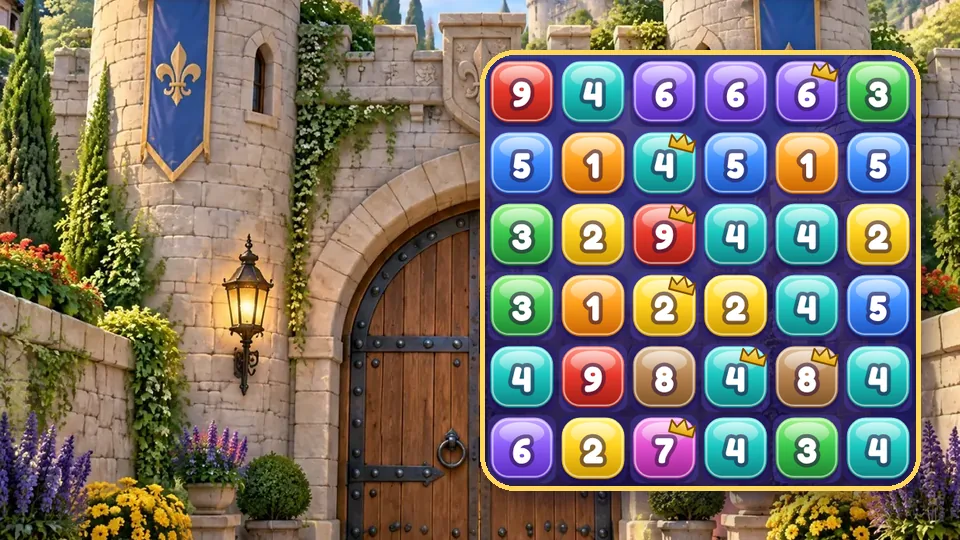 Ages 8–10Tally Castle: times tablesA puzzle game: join touching gems whose product makes the target, like 4 × 6 = 24, to clear the board and rebuild a castle room by room. No timer unless you want one.Play free →
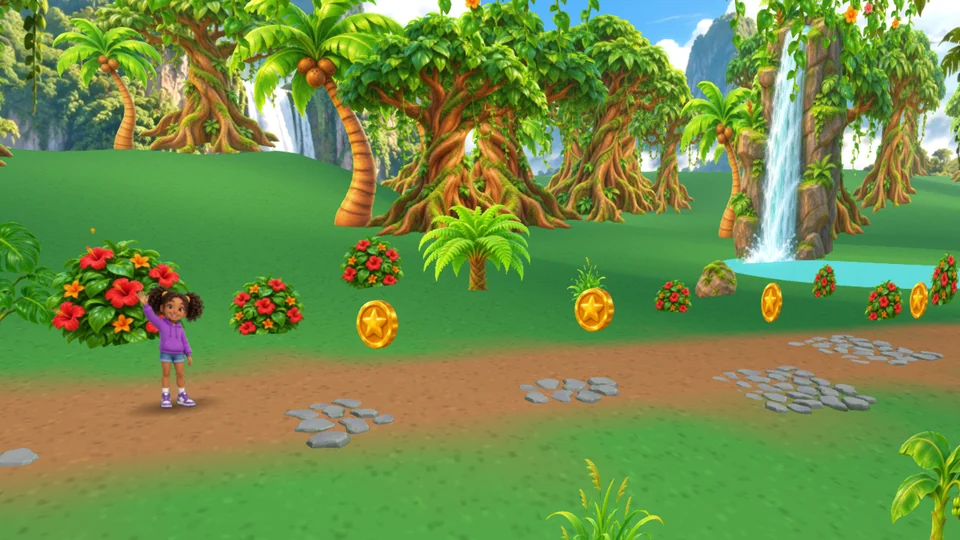 Ages 5–11Math AdventureExplore a painted jungle and fix bridges and gates with math. Pick multiplication as the skill to practice times tables on the way.Play free →
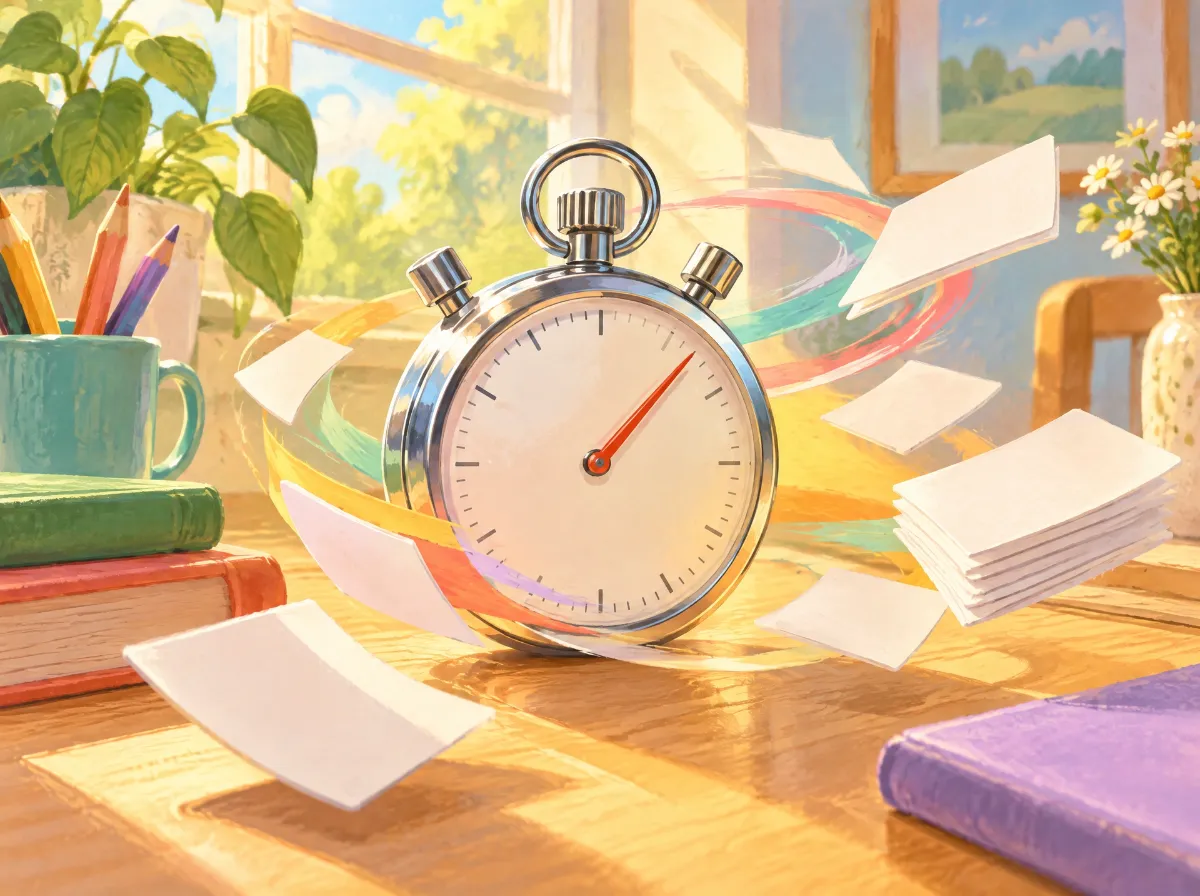 Ages 7–11Times tables speed testRace the clock on the tables you choose, then see a map of every fact from 1 × 1 to 12 × 12: fast, slow or missed. Beat your own best score.Play free →
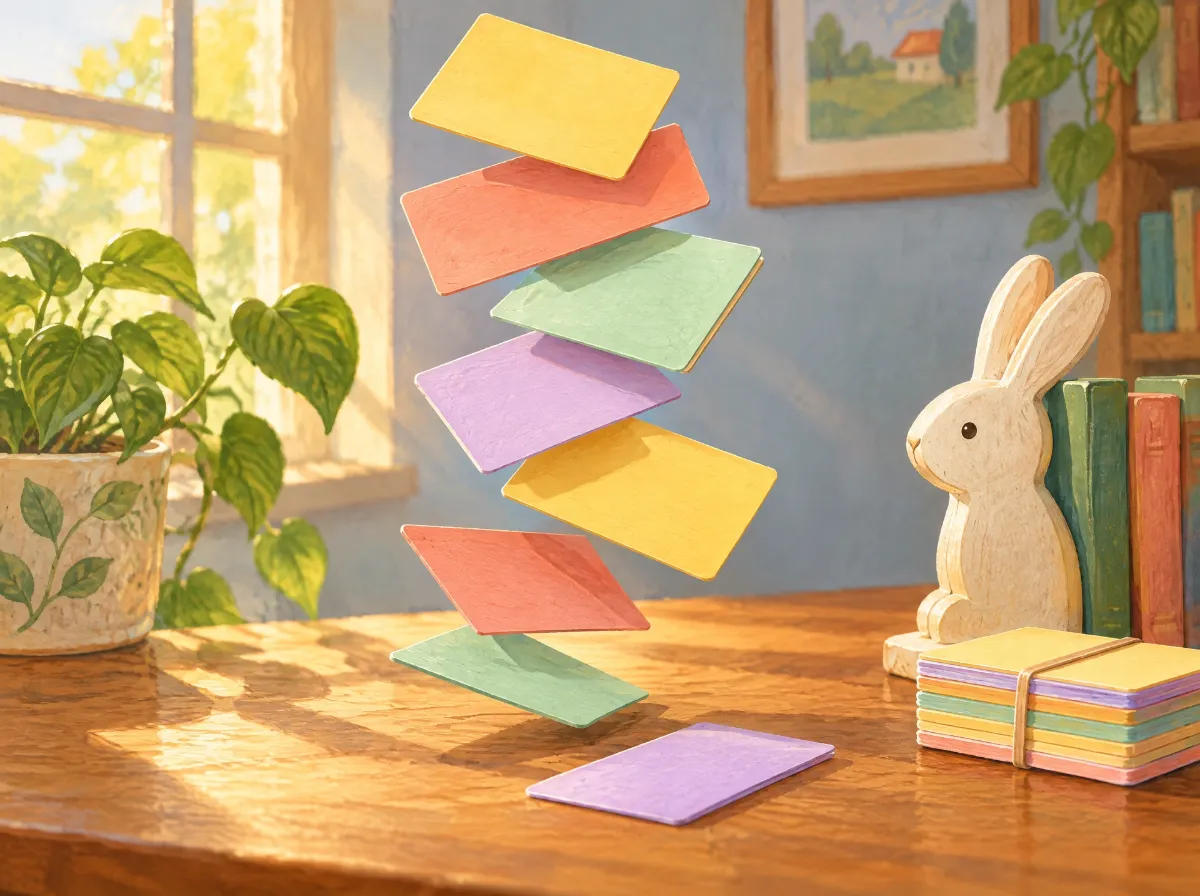 Ages 6–11Multiplication flash cardsOnline flash cards for ×. Missed cards come back a few cards later until they stick, so practice goes where it's needed.Play free →
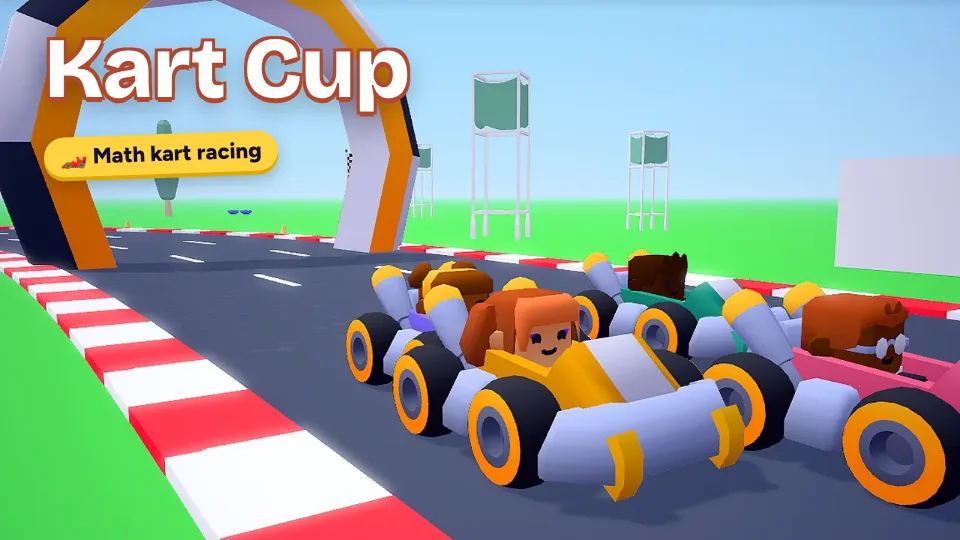 Ages 5–143D math gamesKart racing, soccer, a jungle run and more. Questions match the age you pick, and from about age 8 that includes plenty of multiplication.Play free →
Printable multiplication games
Made fresh each time you open one, with an answer key. Choose mixed tables, or one table from the row under each game. Most can also be played on screen.
- Multiplication bingoPlayers fill a card with products; the caller reads facts like 6 × 7. A whole class can play.Print free (mixed tables)×2×3×4×5×6×7×8×9×10×11×12
- Riddle puzzleEach answer gives a letter, and the letters answer a silly riddle.Print free (mixed tables)×2×3×4×5×6×7×8×9×10×11×12
- Color by numberSolve each fact to find the color for each part of the picture.Print free (mixed tables)×2×3×4×5×6×7×8×9×10×11×12
- Multiplication mazeFollow the correct products from start to finish.Print free (mixed tables)×2×3×4×5×6×7×8×9×10×11×12
- Printable flash cardsCut out the cards: fact on the front, answer on the back.Print free (mixed tables)×2×3×4×5×6×7×8×9×10×11×12
- Times table gridFill in a blank grid against the clock, then check with the key.Print free (mixed tables)×2×3×4×5×6×7×8×9×10×11×12
Card, dice and no-materials games
Five games for the car, the kitchen table or the last ten minutes of a lesson.
Multiplication war
You need: A deck of cards with the picture cards removed, 2 players
Each player turns over two cards and multiplies them. The bigger product wins all four cards. If the products are the same, it's war: turn over two more each. The player with all the cards, or the most after ten minutes, wins.
Roll and race
You need: Two dice, paper, 2 to 4 players
Write the numbers 1 to 36 on a strip. Take turns rolling both dice and multiplying. Cross out the product if it's still there. The first to cross out five numbers wins; if a product is already gone, your turn ends. Use a 10-sided die to practice bigger tables.
Four in a row products
You need: A 6 × 6 grid of products, two paper clips, counters in two colors
Write the numbers 1 to 9 under the grid. Player one puts both clips on numbers and covers the product. Player two moves one clip only and covers the new product. Keep taking turns moving one clip. Four in a row, in any direction, wins.
Buzz
You need: Two or more players, no materials
Pick a table, say 7. Count around the group from 1. On every multiple of 7, say "buzz" instead of the number. Miss one and you're out for the round. Try two tables at once for a harder game.
What's my product?
You need: Sticky notes, 3 players
Two players each stick a number from 1 to 12 on their forehead without looking. The third says the product. Each player works out their own number from the product and the number they can see. First to say it wins the round.
Which tables to learn first
Start with the tables that have patterns: 10, then 2 and 5. Then 4 (double the 2s) and 8 (double the 4s), then 3, 6 and 9, and finally 7, 11 and 12. Every fact you learn also gives you its turn-around, so 3 × 8 and 8 × 3 are one fact, not two. By the end, only a handful of facts are new, and 7 × 8, 6 × 7 and 7 × 7 are usually the last to stick.
How to use games so the facts stick
- Little and often: five to ten minutes a day beats an hour on Sunday.
- Play one or two tables at a time until they are quick, then mix them with tables already known.
- Say the whole fact out loud ("six sevens are forty-two"), not just the answer.
- Mix speed games with untimed ones, so slower children still enjoy them and get faster.
- Notice the facts that keep coming up wrong and make a small card of just those.
When do kids learn multiplication?
In the US, the Common Core expects children to know all products of two one-digit numbers from memory by the end of 3rd grade (standard 3.OA.C.7). In England, children should know their tables up to 12 × 12 by the end of Year 4, when they take the multiplication tables check. Most children start with repeated addition and groups of objects in 2nd grade (Year 2) and move to recall from there.
Times tables practiceMultiplication tables checkTwo-digit multiplication
Questions parents and teachers ask
- What is the best multiplication game for kids?
- The best game is the one your child will play for ten minutes most days. Try a mix: a puzzle game like Tally Castle for practice without pressure, the speed test for children who like beating a score, and a card game like multiplication war for family time.
- Are these multiplication games free?
- Yes. The online games, the speed test, the flash cards and every printable game here are free, with no download and no sign-up.
- What age are multiplication games for?
- Most children start multiplication around age 7 and learn their tables from 8 to 10. Games with groups of objects suit 6 and 7 year olds; fact recall games suit 8 and up.
- Can I make a game for just one times table?
- Yes. Every printable game here has a picker for a single table from 2 to 12, and the speed test and Tally Castle let you choose too.
- Do multiplication games really help?
- Games help most when they are short and frequent, and when children say the full fact as they play. They work best alongside understanding what multiplication means, such as groups and arrays, not instead of it.
Keep exploring
- Math by topicFractions, times tables, long division and more
- Math by gradeEvery skill from kindergarten to 8th grade
- English and grammarNouns, verbs, commas, spelling and more
- Reading passagesShort stories with read-aloud and questions
- Science by gradePlants, forces, matter, space and more
- Printable worksheetsPrint, or do them on a tablet with a finger or pen
- Free math games3D games where every move is a math question
- Manipulatives and simulationsMath tools plus science sims: cells, atoms, forces, planets
- Math flash cardsAdd, subtract, multiply and divide, online
- Calculators with stepsPercent change, long division, rounding, hex
- Lesson plan builderAny skill, K–12, with a student sheet
- Test generatorPrintable tests with answer keys
- Math 5-a-dayFive fresh warm-up questions every day
- Guides for parentsHow to help with fractions, tables, tests and more

Math, English and science that click.